Summary
This study examines how two-dimensional materials, like graphene and other extremely thin films, can enhance 3D power integrated circuits. The authors point out advantages such as better thermal conductivity, improved electrical performance, and smaller device sizes. They also evaluate how well these 2D materials can be integrated with existing 3D power IC manufacturing methods and explore the potential for creating future power devices that are more efficient and compact.
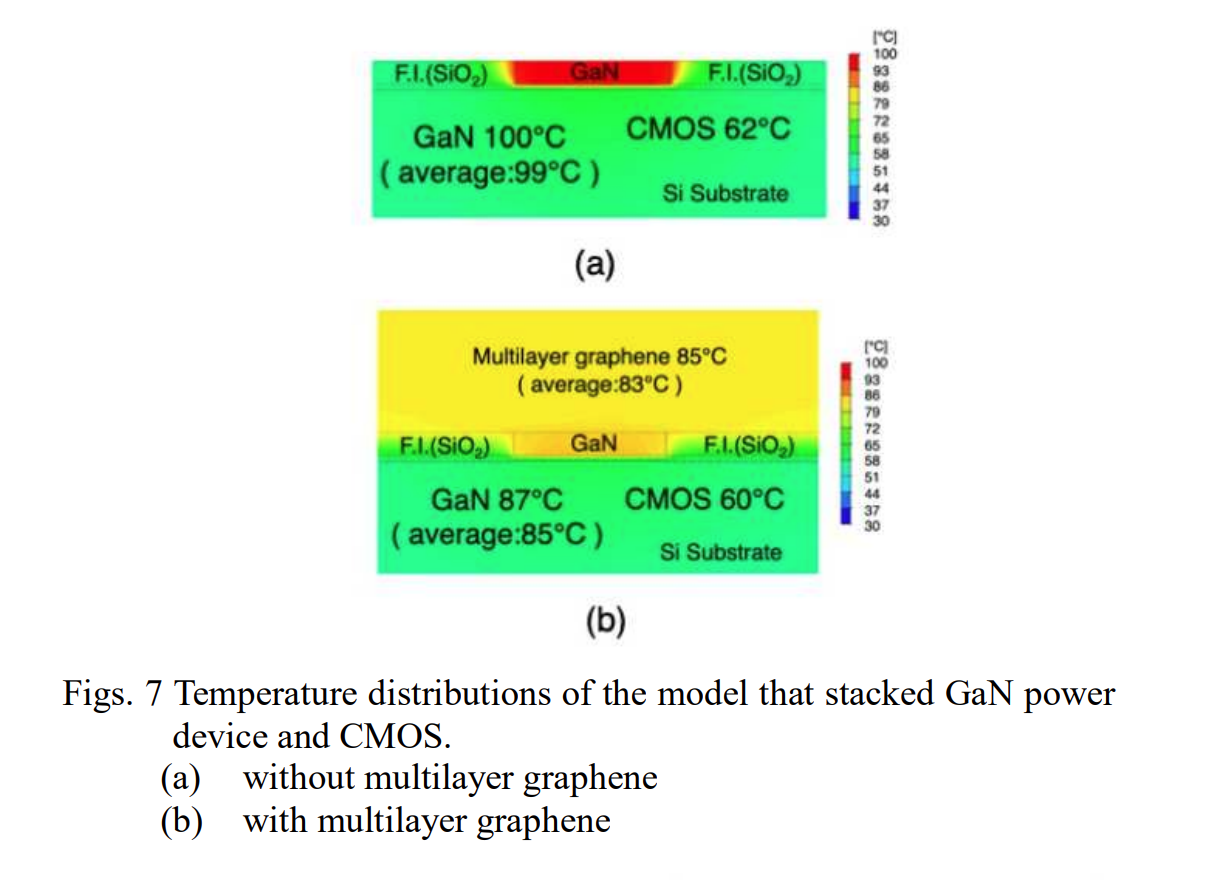
Figure 7 – Temperature Distribution of Stacked GaN + CMOS
Key Concepts
- Graphene and other 2D materials as thermal spreaders.
- Electrical performance improvements in power IC stacks.
- Compatibility with current 3D manufacturing flows.
- Potential for smaller, more efficient power electronics.
Potential Benefits
By inserting high-thermal-conductivity 2D layers between hot spots, designers can better manage heat dissipation in densely packed 3D power devices.